The information on this website is general in nature and does not take into account your objectives, financial situation, or needs. Consider seeking personal advice from a licensed adviser before acting on any information.
Welcome to your ultimate guide on boating safety! Whether you're a seasoned sailor or setting out on the water for the first time, ensuring a safe adventure is of utmost importance. There's no denying the thrill of being out on the open sea or a serene river, but it's essential to remember that preparation is key.
This article is designed for all Australians who are keen on exploring the joys of boating, particularly those interested in understanding the financial aspects such as boat loans and other expenses. Our aim is to equip you with a comprehensive safety checklist that will help make every voyage as smooth and secure as possible.
By adhering to the safety measures discussed here, you'll not only protect yourself and your passengers but also enhance the overall enjoyment of your time spent on the water. Let's dive into these crucial preparations, ensuring every trip you make is as safe as it is enjoyable. So grab your skipper hat, and get ready for a safe and exciting boating adventure!
Understanding the Basics of Boating Safety
Before you set sail on the stunning waters of Australia, it's crucial to understand the essential boating safety rules. These rules are designed to protect everyone on the water and ensure that each adventure is memorable for the right reasons. One of the first steps is to familiarize yourself with the marine laws specific to the area where you'll be boating. This includes knowing speed limits, navigation marks, and rules about alcohol consumption while operating a boat.
The significance of comprehending local boating regulations cannot be overstated. Compliance with these rules not only ensures your safety but also that of other water users. Australia's waterways are shared spaces, and being a responsible boater helps preserve the natural beauty and safety of these environments for everyone to enjoy.
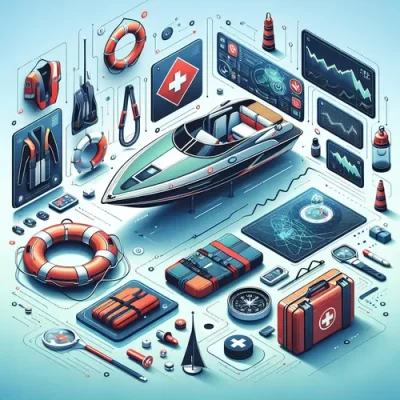
In addition to understanding regulations, having the right safety equipment onboard is vital. Life jackets, flares, and first aid kits are just a few essential items you'll want to have at hand. The proper equipment can be a lifesaver in emergency situations, so check your gear regularly to make sure everything is in working order. Being prepared with the correct safety gear will give you peace of mind and allow you to focus on enjoying your time out on the water.
Essential Safety Equipment Checklist
When heading out onto the water, having the right safety equipment can make all the difference in an emergency. One of the most important items is a life jacket for each person on board. They are designed to keep you afloat and your head above water, which is especially critical if you fall overboard unexpectedly.
Equally important are marine flares, which signal distress and can guide rescuers to your location. Regularly checking that your flares are within their expiry date ensures they will work when needed. Signalling devices, like an air horn or VHF radio, also play a crucial role in communication and receiving help quickly.
A well-stocked first aid kit can address minor injuries and buy you time until professional medical help arrives. Make sure it includes essentials like bandages, antiseptic ointments, and any personal medications you might require.
Fire extinguishers should always be on board, as boat fires can escalate quickly. Regularly inspect and maintain them to ensure they are fully charged and in good working condition. Perform routine checks on all equipment, looking for wear and damage, and replace anything that isn't up to standard. Keeping everything in peak condition offers peace of mind and ensures you're always ready for an enjoyable, safe journey.
The Importance of Life Jackets
Life jackets are a non-negotiable safety measure for anyone venturing out on the water. In Australia, laws mandate the wearing of life jackets, particularly in vessels under 4.8 meters and during times of heightened risk, such as at night or in adverse conditions. Each state and territory may have slight variations in requirements, so it's crucial to check local regulations before heading out.
When it comes to selecting a life jacket, consider the type of boating activity you'll be engaging in. For instance, activities like kayaking or jet skiing might require a different style of jacket than fishing or cruising. Look for jackets approved by the Australian Standards for buoyancy and fit. Comfort is key, as a well-fitting life jacket encourages consistent use and does not impede movement.
The life-saving potential of life jackets cannot be overstated. They are designed to keep you afloat and your airways clear above water, even if you're incapacitated. This simple piece of equipment has proven to save lives by providing buoyancy and visibility, making it an indispensable part of boating safety. Ensuring everyone on board properly wears a life jacket is one of the most effective ways to prevent drowning, turning potentially life-threatening scenarios into survivable ones.
Weather and Water Conditions
Monitoring weather forecasts and tidal information is an essential part of boating safety. Before setting out, always check reliable sources such as the Bureau of Meteorology for the latest updates on weather conditions. Look out for alerts regarding strong winds, storm warnings, or other adverse weather patterns that could affect your trip. Understanding tidal movements is equally crucial, as they can impact navigation, especially in coastal areas and estuaries.
The ever-changing nature of weather poses various challenges for boaters. Sudden changes can turn a calm day into a risky expedition, affecting visibility, wave height, and the overall handling of your vessel. Knowledge of your vessel's capabilities and limitations in different weather conditions can prevent accidents and ensure better preparedness.
If caught in adverse weather, remain calm and methodically follow safety procedures. Reduce speed and steer the bow into the waves to maintain stability. Secure any loose items on board and ensure everyone is wearing their life jackets. Head for the nearest safe harbor or sheltered area, if possible, and maintain communication with local authorities or other nearby vessels. Having a contingency plan and clear steps to follow can be lifesaving when facing unexpected weather challenges.
Emergency Preparedness
One of the most critical aspects of boating safety is being prepared for emergencies. Knowing what to do in such situations can be the difference between a minor mishap and a major incident. Begin by ensuring your passengers are aware of the emergency procedures and the location of safety equipment. Education is key; explaining how to use life jackets, flares, and communication devices provides everyone on board with the confidence to act effectively if needed.
In case of an emergency, remain calm and take swift, decisive action. Signal distress using an appropriate method, such as marine flares or a VHF radio. It's crucial to broadcast your location, nature of the emergency, and the number of people on board to rescuers. Additionally, carrying a waterproof container with emergency contact numbers can be invaluable. Include local marine authorities, the Coast Guard, and any other relevant emergency services. Make sure this information is easily accessible to everyone on board.
Regular safety drills are an excellent way to ensure everyone knows what to do during an emergency. Practicing these procedures helps to reinforce the correct actions and builds confidence in passengers, reducing panic if an actual emergency occurs. Consistent drills help foster a culture of safety and preparedness, ensuring that everyone can enjoy their time on the water knowing they are equipped to handle any unexpected situations responsibly.
Communication and Navigation Aids
Effective communication is a cornerstone of boating safety. Boaters should equip themselves with reliable communication tools such as VHF radios for clear and direct contact with nearby vessels and maritime services. These radios are crucial in emergencies, offering a lifeline to shore-based assistance when needed.
Mobile phones can also be helpful, but do not rely solely on them due to spotty coverage in remote areas. Consider investing in a satellite phone for extended trips offshore or into less populated waters, where traditional signals may fail.
For navigation, having GPS devices and marine charts onboard is vital. These tools help you pinpoint your location and navigate safely through unfamiliar waters. Traditional paper charts are also invaluable as a backup, especially if electronic systems fail. Familiarise yourself with chart symbols and terminologies to interpret them accurately.
While sailing in remote areas, staying connected becomes even more critical. Use extended range VHF radios and ensure all communication devices are properly charged and tested before departure. Consider local weather stations and the Bureau of Meteorology for real-time updates. Redundancy with both electronic and traditional navigation tools is key to staying safe and oriented during your maritime adventures.
Educating Your Passengers
As a responsible skipper, one of your key duties is to ensure that everyone on board understands the safety procedures. Briefing your passengers before departure is crucial to guarantee that all are prepared for the voyage ahead. Education not only keeps everyone safe but also empowers your companions to assist should an emergency arise.
When explaining safety instructions, aim to make them clear and engaging. Avoid using technical jargon that might confuse. Instead, demonstrate the use of safety equipment, such as life jackets and flares, and walk your passengers through basic actions they should take if an emergency occurs.
To make instructions memorable, consider involving passengers with a hands-on demonstration or simple role-playing scenario. Encourage questions, reinforcing that no query is too trivial when it comes to safety. Everyone's understanding is vital.
Highlight the collective responsibility involved in a safe boating experience. Every passenger plays a role, whether it's observing weather changes, following instructions, or staying calm during unforeseen situations. By fostering a team mentality, you'll ensure not just a safer journey but also one that's enjoyable and instills confidence in everyone on board to handle the trip securely.
Final Thoughts
Throughout this guide, we've explored vital components of boating safety, from understanding local regulations and essential equipment to being prepared for emergencies. Practicing these safety measures ensures a secure and enjoyable experience for everyone on board. Remember, knowledge of weather, effective communication, and educating your passengers are just as critical as having life jackets and flares.
Safety on the water is an ongoing commitment. Boaters should continually seek to improve their skills and stay informed about the latest safety practices and maritime guidelines. This proactive approach not only protects you and your loved ones but also contributes to creating a safer environment for everyone who enjoys the beauty and thrill of Australia's waterways.
Moreover, as you become more confident and experienced, consider exploring financial options to upgrade your boating equipment or vessel. The right investments can enhance your seafaring adventures, making them safer and more enjoyable. Reach out to financial advisors who can guide you in making smart choices to align with your boating goals.
Your journey on the water should be filled with joy and freedom, underpinned by strong safety practices. By continually learning and staying prepared, you'll not only protect yourself but also create more memorable experiences with every nautical mile you traverse. Safe travels and happy boating!
Published: Thursday, 11th Dec 2025
Author: Paige Estritori



No comments yet. Be the first to share your thoughts.